


Understanding Spindle Cores in Metal Forging Machinery
【Summary】In the realm of manufacturing and metalworking, precision and efficiency are paramount. One of the key components that play a significant role in achieving these qualities is the spindle core. The spindle core is a central part of many metal processing machines, particularly in the forging industry. It is essential for supporting and rotating tools or workpieces during various machining operations
The primary function of a spindle core is to provide a stable axis of rotation. This stability is crucial for operations such as drilling, milling, and turning, where precision is critical. The spindle core ensures that the tools maintain the necessary alignment and speed, thereby enhancing the overall accuracy of the machining process. A well-designed spindle core can lead to improved surface finishes, reduced cycle times, and increased tool life, all of which contribute to higher productivity in metal forging.
In addition to its structural role, the spindle core can also impact the dynamic performance of the machining equipment. The material used in the construction of the spindle core, along with its design, can influence factors such as vibration and thermal stability. High-quality spindle cores are typically made from durable materials that can withstand the stresses and strains of high-speed operations. This durability helps in maintaining performance consistency and reducing downtime due to maintenance or repairs.
Another critical aspect of spindle cores is their adaptability. In modern manufacturing processes, the ability to interchange spindle cores allows for greater flexibility in machining different materials and components. Manufacturers can optimize their processes by using spindle cores tailored for specific tasks, enhancing efficiency and reducing waste. This adaptability is particularly beneficial in environments where small batch sizes or customized products are the norm.
Moreover, advancements in technology have led to the development of smart spindle cores equipped with sensors and monitoring capabilities. These innovations enable real-time data collection on performance metrics such as temperature, speed, and load. By analyzing this data, manufacturers can make informed decisions regarding maintenance schedules and operational adjustments, ultimately leading to improved productivity and reduced operational costs.
In conclusion, spindle cores are vital components in metal forging machinery, significantly impacting the effectiveness and efficiency of manufacturing processes. Their role in providing stability, enhancing precision, and contributing to the adaptability of machining operations cannot be overstated. As technology continues to advance, the future of spindle core design and functionality is likely to evolve, further enhancing the capabilities of metalworking machinery and the industry as a whole.
key word:


Related Blog

How to Properly Install and Align Your Spindle Core: A Comprehensive Guide
How to Properly Install and Align Your Spindle Core Table of Contents 1. Introduction to Spindle Core Installation 2. Importance of Proper Spindle Alignment 3. Tools Required for Installation 4. Preparation Steps Before Installation 5. Step-by-Step Installation Process 6. Techniques for Accurate Spindle Alignment 7. Common Mistakes to Avoid 8. Maintenance Tips for Longevit

Understanding Different Types of Mandrels and Their Applications in Metalworking
Understanding Different Types of Mandrels and Their Applications in Metalworking Table of Contents 1. Introduction to Mandrels in Metalworking 2. What is a Mandrel? 3. Different Types of Mandrels 3.1 Tapered Mandrels 3.2 Straight Mandrels 3.3 Expanding Mandrels 3.4 Collapsible Mandrels 3.5 Fixture Mandrels
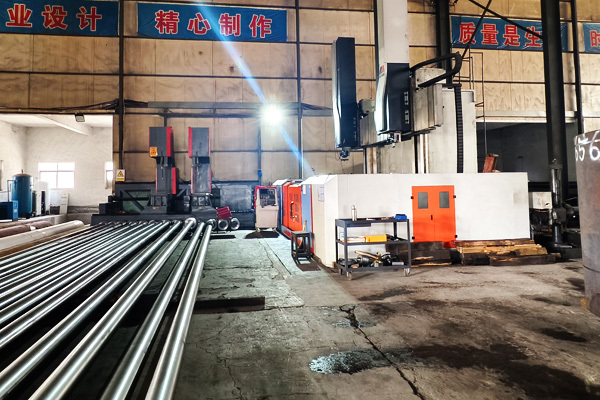
Understanding Spindle Cores in Metal Forging Machinery
In the realm of manufacturing and metalworking, precision and efficiency are paramount. One of the key components that play a significant role in achieving these qualities is the spindle core. The spindle core is a central part of many metal processing machines, particularly in the forging industry. It is essential for supporting and rotating tools or workpieces during various machining operations

Metal processing professional solution supplier
Quick Links
Contact Us
Address: No. 12, Wenchang South Road Group, Jiyuan City, Henan Province